Cold & Flu
Browse medicines and health products with composition, pack size, manufacturer and MRP for each one.
Showing all 4 results
About Cold and Flu
Our cold and flu range brings together medicines that help ease common cold symptoms such as a sore throat, a stuffy or runny nose, sneezing and coughing. You'll find products built around different active ingredients, so you can match what you buy to the symptoms that bother you most.
The range is for adults managing a cold at home and for caregivers shopping for the family. Check the product page for each product's details before you order. Colds are caused by viruses. Antibiotics have no effect on them and are not needed, which is why cold medicines focus on easing symptoms.
Types of cold and flu medicines
Most cold medicines contain one or more of the ingredient types below. Knowing what each one does makes it easier to compare labels.
| Ingredient type | Examples | What it does |
|---|---|---|
| Decongestants | Pseudoephedrine, phenylephrine | Reduce swelling in the nasal passages so breathing gets easier |
| Antihistamines | Listed on the pack | Ease a runny nose, sneezing and watery eyes by blocking the release of histamine |
| Fever and pain relievers | Paracetamol (acetaminophen), ibuprofen | Help bring down fever and relieve muscle aches |
| Topical nasal decongestant sprays | Listed on the pack | Sprayed into the nose for stuffiness; meant for short use only |
| Combination (all-in-one) products | Mixes of the above | Combine several ingredients in one tablet or dose |
Combination products are convenient, but they mean you take every ingredient in the mix, even for symptoms you don't have. Single-ingredient options let you treat only what you need.
Popular products in Cold and Flu
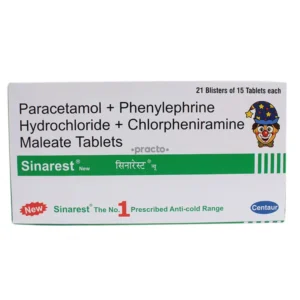
- Sinarest New Tablet — a cold and flu product; check the product page for its ingredients and directions.
How to choose a cold medicine
Start with your main symptom, then pick the ingredient that targets it.
- Blocked nose: look for a decongestant such as pseudoephedrine or phenylephrine, which reduces swelling in the nasal passages.
- Runny nose, sneezing or watery eyes: an antihistamine works by blocking the release of histamine.
- Fever or body aches: paracetamol or ibuprofen helps bring down fever and relieve muscle aches.
- Several symptoms at once: a combination product may suit you, but read the full ingredient list first.
- Check the paracetamol content: paracetamol appears in many cold medicines. If you already take a paracetamol tablet, adding a combination product could push you over the daily limit.
- Skip antibiotics for a cold: colds are viral, so antibiotics won't help.
Using cold and flu medicines safely
The main safety rule is to read every label and avoid doubling up on the same ingredient. A few points need extra care.
Paracetamol and your liver. Because paracetamol is in so many cold products, it is easy to take it from two sources without realising. Taking more than the daily limit can injure the liver.
Nasal sprays. Topical nasal decongestant sprays should not be used for more than three days. Longer use can cause rebound stuffiness, where your nose feels more blocked than before.
Pregnancy. Pregnant women are advised to avoid all-in-one combination cold products, since some of their ingredients may not be safe in pregnancy. Acetaminophen (paracetamol) is considered safe in every trimester, while other cold-medicine ingredients need a doctor's review.
Children. Over-the-counter cough and cold medicines should not be given to children under 4 years old. Aspirin should never be given to children or teenagers because of the risk of Reye syndrome.
Storage. Keep medicines in their original packs, out of reach of children, and follow the storage directions printed on the label.
When to see a doctor
See a doctor if an adult's cough lasts more than a week or two, or if it comes with fever. You should also speak to a doctor before using any cold medicine other than paracetamol during pregnancy, and before giving cough or cold medicine to a young child. If you are unsure whether a medicine suits you, ask your doctor.
FAQs
Do I need antibiotics for a cold?
No. Colds are caused by viruses, so antibiotics have no effect on them and are not needed.
What is the difference between a decongestant and an antihistamine?
A decongestant such as pseudoephedrine or phenylephrine reduces swelling in the nasal passages to ease a blocked nose. An antihistamine eases a runny nose, sneezing and watery eyes by blocking the release of histamine.
Can I take a cold medicine along with paracetamol?
Check the label first, because paracetamol appears in many cold medicines. Taking more than the daily limit can injure the liver, so avoid taking it from two products at once.
Which cold medicine is safe during pregnancy?
Acetaminophen (paracetamol) is considered safe in every trimester of pregnancy. All-in-one combination cold products are best avoided, and other ingredients need a doctor's review.
Can I give cold medicine to my child?
Over-the-counter cough and cold medicines should not be given to children under 4 years old. Never give aspirin to children or teenagers because of the risk of Reye syndrome.
How long can I use a nasal decongestant spray?
No more than three days. Using it for longer can cause rebound stuffiness.
Sources
- Manage Common Cold | Common Cold | CDC
- Cold and Cough Medicines: MedlinePlus
- A guide to cold medicines | UCLA Health
- How to treat the common cold at home: MedlinePlus Medical Encyclopedia
- A Guide to Cold Medicine for Adults
- Cold and flu medications in pregnancy | VCU Health
- Is Cough Medicine Safe for Kids?
Prices shown are MRP. Prescription medicines are supplied only against a valid prescription. Product details are for reference and do not replace advice from your doctor or pharmacist. Not for emergencies — call 112.