Infections
Browse medicines and health products with composition, pack size, manufacturer and MRP for each one.
Showing all 13 results
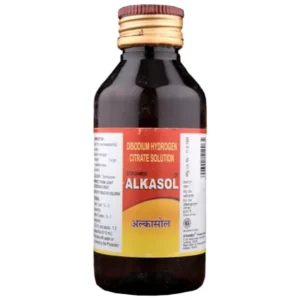





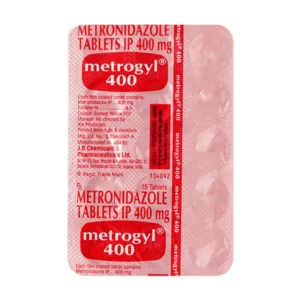
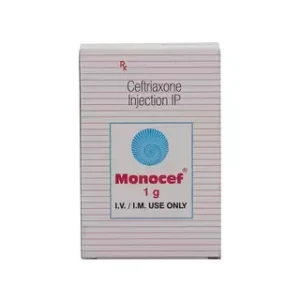
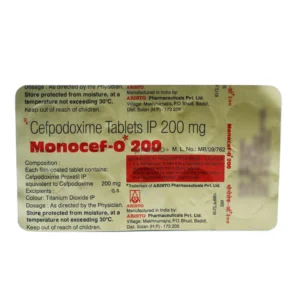

About Infections
Our infections range covers medicines used to treat bacterial and fungal infections. You'll find prescription antibiotics alongside antifungal options for common skin problems such as athlete's foot. Each product page lists the active ingredient so you can match it with what your doctor has prescribed.
The range is for anyone who has been diagnosed with an infection and needs to fill a prescription, or who wants to understand their treatment better. One point matters before anything else. Antibiotics do nothing against viral illnesses such as colds and flu, so they are not the right treatment for those conditions.
Types of medicines for infections
Medicines for infections fall into two main groups in our range: antibiotics for bacterial infections and antifungals for fungal infections. The table below shows how they differ.
| Type | What it treats | Examples and notes |
|---|---|---|
| Antibiotics | Bacterial infections | Grouped by clinicians into classes. Each class contains individual medicines whose names appear on the prescription label. |
| Antifungals | Fungal skin infections such as athlete's foot | Terbinafine, butenafine, clotrimazole and miconazole |
Antibiotics. WHO's AWaRe system places commonly recommended first- or second-choice antibiotics in an Access group. These are safe, low-cost, narrow-spectrum and less likely to drive resistance. Your doctor decides which class and which medicine suit your infection.
Antifungals. A consumer guide notes that terbinafine or butenafine give the shortest course, while clotrimazole or miconazole suit people who are watching cost. Steroid creams such as hydrocortisone are a different thing altogether. They calm the itch but can let the fungus spread, so an antifungal is the better choice for a fungal infection.
Popular products in Infections
- Bactrim DS Tablet – a prescription-only antibiotic tablet with sulfamethoxazole 800 mg and trimethoprim 160 mg.
You can browse more prescription options in our antibiotics section.
How to choose the right infection treatment
The first step is knowing whether the infection is bacterial, viral or fungal, and that is a doctor's call. Keep these points in mind:
- Viral illness needs a different approach. Colds and flu do not respond to antibiotics.
- Take antibiotics only when genuinely needed. MedlinePlus gives this advice because antibiotics cause side effects and can contribute to resistance.
- Match the name on your prescription. The medicine name on your label tells you exactly which antibiotic you need, so check it against the product page before ordering.
- For athlete's foot, pick an antifungal. Terbinafine or butenafine offer the shortest course; clotrimazole or miconazole suit a tighter budget.
- Skip steroid-only creams for fungal skin. Hydrocortisone may ease itching, but it can let the fungus spread.
Using infection medicines safely
A few situations need care. Read the leaflet and follow your prescriber's instructions.
- Loose stools. These are a frequent antibiotic side effect. Cleveland Clinic describes them as usually a temporary nuisance.
- Allergic reactions. Swelling of the face, lips, tongue or throat, or difficulty breathing while on an antibiotic, calls for emergency help.
- Pregnancy. Tetracyclines are advised against in pregnancy because they can stain the developing bones and teeth of the baby. Tell your doctor if you are pregnant.
- Warfarin users. A review in the NIH-hosted PMC archive reports significant rises in INR among warfarin users given penicillin derivatives, fluoroquinolones, TMP-SMX or macrolides. Bactrim DS contains sulfamethoxazole and trimethoprim, the combination known as TMP-SMX, so let your doctor know if you take warfarin.
- Azole allergy. If you are allergic to clotrimazole or related azole antifungals, tell your doctor or pharmacist before using it.
Storing liquid antibiotics
Amoxicillin liquid should be shaken well before each dose so the medicine is evenly mixed. Once mixed, the suspension has a limited life of 14 days, and the date printed on the box does not change that. The FDA label calls refrigeration preferable but not required, and chilling does not extend the 14-day limit.
When to see a doctor
See a doctor before starting any antibiotic, since these are prescription medicines meant only for genuine need. Get emergency help straight away if you notice swelling of the face, lips, tongue or throat, or have trouble breathing during treatment.
For athlete's foot, a consumer guide advises seeing a doctor if it has not improved after two weeks. Go sooner if the skin is cracked or oozing, or if you have diabetes.
FAQs
Can antibiotics treat a cold or flu?
No. Antibiotics do nothing against viral illnesses such as colds and flu, so they are not the right treatment for them.
Is Bactrim DS a prescription medicine?
Yes. Bactrim DS is a prescription-only antibiotic tablet containing sulfamethoxazole 800 mg and trimethoprim 160 mg.
Is diarrhoea normal when taking antibiotics?
Loose stools are a frequent antibiotic side effect. Cleveland Clinic describes them as usually a temporary nuisance.
Which antifungal works fastest for athlete's foot?
A consumer guide says terbinafine or butenafine give the shortest course. Clotrimazole or miconazole suit people who are watching cost.
Can I use hydrocortisone cream for a fungal rash?
Steroid creams such as hydrocortisone calm the itch but can let the fungus spread. An antifungal is the better choice.
How long does mixed amoxicillin liquid last?
Mixed amoxicillin suspension lasts 14 days after preparation, whatever the date on the box says. Refrigeration is preferable but does not extend that limit.
Sources
- Amoxicillin: MedlinePlus Drug Information
- Antibiotics: What To Know
- Antibiotics most responsible for drug resistance are overused – WHO report
- Antibiotics: MedlinePlus
- Antibiotics in pregnancy – Primary Care Notebook - GPNotebook
- Warfarin and Antibiotics: Drug Interactions and Clinical Considerations - PMC
- Do Antibiotics Expire? The Date That Actually Matters
- Athlete’s Foot Cream: Which Works Best & How Long to Use It | Evolve Health
- Athlete's Foot (clotrimazole) 1 % topical cream | Kaiser Permanente
Prices shown are MRP. Prescription medicines are supplied only against a valid prescription. Product details are for reference and do not replace advice from your doctor or pharmacist. Not for emergencies — call 112.