Cold, Cough & Allergy
Browse medicines and health products with composition, pack size, manufacturer and MRP for each one.
Showing all 14 results


About Cold, Cough & Allergy
Our cold, cough and allergy range brings together cough syrups, cold and flu tablets and antihistamine-based products for the familiar symptoms of a cold or an allergy flare-up. You'll find options for sneezing, a runny nose, itchy eyes, nasal congestion and coughs.
The range suits adults managing seasonal sniffles and caregivers buying for the family. Some products are prescription medicines, so check each product page before you order. Remember that nonprescription remedies ease cold symptoms but do not speed up recovery from the illness itself.
Types of cold, cough and allergy medicines
Most products in this category fall into a few groups, and the difference lies in the active ingredient.
| Type | What it does | Things to know |
|---|---|---|
| Drowsy (older) antihistamines, e.g. chlorphenamine, diphenhydramine, promethazine | Act against histamine, the chemical behind sneezing, a runny nose and itchy eyes | Most likely to make you sleepy; cold products containing them are labelled for night use |
| Less-drowsy (newer) antihistamines, e.g. cetirizine, loratadine | Act against histamine in the same way | Less likely to cause sleepiness |
| Decongestant tablets | Ease nasal congestion | Tablets typically rely on pseudoephedrine |
| Decongestant nasal sprays | Ease nasal congestion | Commonly contain phenylephrine or oxymetazoline |
| Combination cold and cough products | Combine more than one active ingredient | Check the label so you don't double up on the same drug |
If you mainly need relief from a cough, browse our Cough Syrups. For blocked noses, fever and general cold symptoms, see Cold & Flu.
One point worth knowing about decongestants: an FDA advisory committee concluded in September 2023 that the data do not support oral phenylephrine as a nasal decongestant.
Popular products in Cold, Cough & Allergy
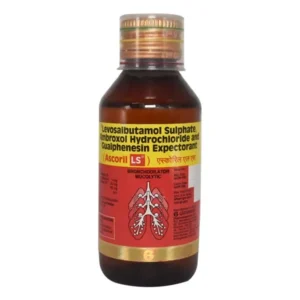
- Ascoril LS Syrup — a cough syrup. Check the product page and label for its active ingredients.
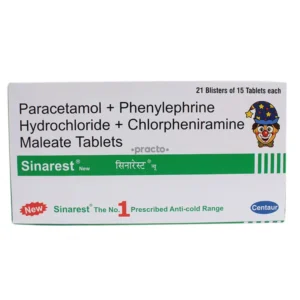
- Sinarest New Tablet — a cold tablet. Check the product page and label for its active ingredients.
How to choose the right product
Start with the label. The Drug Facts panel or ingredient list on a cold product tells you exactly which active ingredients it contains.
- Match the product to your main symptom. Antihistamines target sneezing, a runny nose and itchy eyes. Decongestants target a blocked nose.
- Think about drowsiness. Older antihistamines such as chlorphenamine are the most likely to make you sleepy. If you need to stay alert during the day, newer types such as cetirizine and loratadine are less likely to.
- Avoid doubling up. Two different antihistamines should not be taken together unless a clinician has advised it. The same goes for two cold products that share a drug.
- Check the format. Tablets and nasal sprays tend to use different decongestants, so compare ingredients rather than brand names.
- Look at prescription status. Some antihistamines are available only on prescription, so check each product page.
Using cold, cough and allergy medicines safely
Read every label carefully, especially when more than one person in the house is unwell. Here are the key safety points.
Children
- The FDA advises against giving any cough or cold product containing a decongestant or antihistamine to children under two, because of possible life-threatening effects.
- The CDC says over-the-counter cough and cold medicines are not recommended for children under six because of serious side effects.
- Giving two cold products that share the same drug is one way children can be overdosed.
- Measure liquid doses with the device supplied in the pack, not a kitchen spoon.
Pregnancy and breastfeeding
- Pregnant or breastfeeding women should check with their doctor before taking a decongestant or antihistamine.
- UCLA Health says acetaminophen (paracetamol) is considered safe in all trimesters of pregnancy, while other cold-medicine ingredients should be discussed with a doctor.
- Large studies of cetirizine use in pregnancy have not found an increased chance of birth defects. Still, speak to your doctor first.
Other cautions
- Drowsy antihistamines can make you sleepy, which is why products containing them are meant for night use.
- MedlinePlus warns that taking dextromethorphan in large amounts can cause serious side effects or death. Stick to the label or your doctor's instructions.
Storage
- Store cold medicines at room temperature in their original container, away from excess heat and moisture. The bathroom is not a good spot.
- Keep all medicine out of sight and reach of children, since many containers are not child-resistant.
When to see a doctor
See a doctor if allergy symptoms last longer than two weeks or aren't controlled by over-the-counter medicines. A specialist assessment is advisable in that case.
Also speak to your doctor before using these products if you are pregnant or breastfeeding, or before giving any cough or cold medicine to a young child.
FAQs
Which antihistamines cause drowsiness?
Older antihistamines such as chlorphenamine, diphenhydramine and promethazine are the most likely to make you sleepy. Newer types such as cetirizine and loratadine are less likely to.
Can I take two allergy tablets together?
Two different antihistamines should not be taken together unless a clinician has advised it. Check the labels of any combination products too, so you don't take the same drug twice.
Will cold medicine help me recover faster?
No. Nonprescription remedies ease cold symptoms but do not speed up recovery from the illness.
Can I give cough syrup to my child?
The CDC does not recommend over-the-counter cough and cold medicines for children under six, and the FDA advises against decongestant or antihistamine products for children under two. Ask your doctor for advice.
Can I take cold or allergy medicine during pregnancy?
Check with your doctor before taking a decongestant or antihistamine while pregnant or breastfeeding. UCLA Health considers acetaminophen safe in all trimesters, but other ingredients should be discussed with a doctor.
How should I store cough and cold medicines?
Keep them at room temperature in the original container, away from heat and moisture, and not in the bathroom. Store them out of sight and reach of children.
Sources
- When Allergy or Cold Medication Makes You Drowsy - Allergy & Asthma Network
- Antihistamines - NHS
- Antihistamine Types & Side Effects
- Decongestants and Antihistamines for a Cold
- Cetirizine (Zyrtec®) - MotherToBaby
- Frequently Asked Question on Children’s Cough and Cold Medicines | FDA
- A guide to cold medicines | UCLA Health
- Understand the Effects of Topical Nasal Decongestants on Blood Pressure | Pharmacy Times
- Should You Give Kids Medicine for Coughs and Colds? | FDA
- Manage Common Cold | Common Cold | CDC
- Cough And Cold Medicines
- Dextromethorphan: MedlinePlus Drug Information
Prices shown are MRP. Prescription medicines are supplied only against a valid prescription. Product details are for reference and do not replace advice from your doctor or pharmacist. Not for emergencies — call 112.