Cough Syrups
Browse medicines and health products with composition, pack size, manufacturer and MRP for each one.
Showing all 5 results

About Cough Syrups
Our cough syrups range brings together liquid cough medicines from the wider Cold, Cough & Allergy section, so you can compare ingredients in one place. You'll find syrups made for a cough with mucus, including combinations that contain an expectorant such as guaifenesin.
This page is for adults and caregivers who want to understand what is in a syrup before buying it. Cough syrups are not all the same. Some help clear mucus. Others contain ingredients with strict age limits and safety warnings. Reading the label, and checking with your doctor or pharmacist when needed, helps you pick the right one.
Types of cough syrups and how they differ
The biggest difference between cough syrups is the active ingredient, or mix of ingredients, inside. Here is how the main types compare:
| Type | Example ingredient | What to know |
|---|---|---|
| Expectorant syrups | Guaifenesin | Thins mucus so it is easier to cough up and clear the airways. It does not stop coughing; it makes the cough more productive so mucus can come out. |
| Syrups with dextromethorphan | Dextromethorphan | Taking too much can cause serious harm, including brain damage, seizures and death. Not for children under 4. |
| Combination syrups | More than one active ingredient in the same syrup | Several ingredients in one dose. Pregnant or breastfeeding women are advised to avoid combination products and choose a single active ingredient. |
Some combinations also carry regulatory limits. India's drug regulator, CDSCO, banned the use of a fixed-dose combination of chlorpheniramine maleate and phenylephrine in children below four years. Always check the ingredient list on the pack, especially when buying for a young child.
Popular products in cough syrups
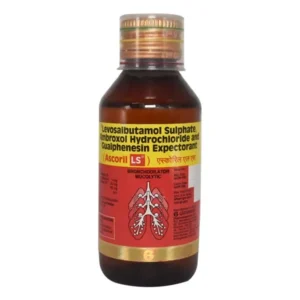
- Ascoril LS Syrup – a cough syrup for a cough with mucus. Check the ingredient list on the pack before use.
How to choose a cough syrup
Start with the type of cough and the person who will take the syrup. A few practical points help:
- Match the ingredient to the cough. If mucus is the problem, an expectorant such as guaifenesin thins it so it is easier to bring up. Keep in mind that an expectorant will not stop the cough itself.
- Check the age on the label. Nonprescription cough and cold products with dextromethorphan should not be given to children under 4. A chlorpheniramine maleate and phenylephrine combination is banned for children below four years in India.
- Single or combination. If you are pregnant or breastfeeding and need an OTC cough medicine, the advice is to avoid combination products and choose one with a single active ingredient.
- Read every label. If you take more than one cold or cough product, compare the ingredients so you do not double up on the same one.
Using cough syrups safely
The safest way to use any cough syrup is to follow the label or your doctor's instructions exactly. These points come up most often:
- Measure properly. Use the dosing cup or syringe that comes with the bottle. A household spoon is not an accurate measure.
- Do not exceed the dose. Too much dextromethorphan can cause serious harm, including brain damage, seizures and death.
- Young children. Dextromethorphan-containing cough and cold products can cause serious side effects or death in young children, so they should not be given to children under 4.
- Pregnancy and breastfeeding. If you are pregnant, planning a pregnancy or breastfeeding, talk to a doctor before using dextromethorphan. If you need an OTC cough medicine, a single-ingredient product is advised over a combination.
- Storage. Keep guaifenesin syrups at room temperature, away from heat and moisture, and out of children's reach.
When to see a doctor
Call your healthcare provider if a cough lasts more than 7 days. If you have been taking a syrup with dextromethorphan, stop taking it at that point and get medical advice. Speak to a doctor first, too, if you are pregnant, planning a pregnancy or breastfeeding, or if the syrup is for a child under 4.
FAQs
Which cough syrup is used for a cough with mucus?
Syrups containing an expectorant such as guaifenesin are used for a cough with mucus. Guaifenesin thins mucus so it is easier to cough up and clear the airways.
Does an expectorant syrup stop coughing?
No. An expectorant does not stop coughing. It makes the cough more productive so the mucus can come out.
Can I give cough syrup to a child under 4?
Nonprescription cough and cold products with dextromethorphan should not be given to children under 4, as they can cause serious side effects or death in young children. CDSCO has also banned a chlorpheniramine maleate and phenylephrine combination for children below four years.
Can I take cough syrup during pregnancy or while breastfeeding?
Talk to your doctor before using dextromethorphan if you are pregnant, planning a pregnancy or breastfeeding. If you need an OTC cough medicine, choose a single active ingredient rather than a combination product.
How should I measure a dose of cough syrup?
Use the dosing cup or syringe supplied with the bottle, not a household spoon. This helps you take the amount stated on the label.
How do I store cough syrup?
Store guaifenesin syrups at room temperature, away from heat and moisture. Keep the bottle out of children's reach.
Sources
- Guaifenesin: MedlinePlus Drug Information
- Expectorant: Types, Uses & Side Effects
- How to Choose OTC Cold and Flu Medicine for Quick Relief
- Dextromethorphan: MedlinePlus Drug Information
- India’s drug regulator bans anti-cold syrup for under-4 children - The Tribune
- Dextromethorphan: Uses, Side Effects, Interactions, Pictures, Warnings & Dosing - WebMD
Prices shown are MRP. Prescription medicines are supplied only against a valid prescription. Product details are for reference and do not replace advice from your doctor or pharmacist. Not for emergencies — call 112.