Heart & Blood Pressure
Browse medicines and health products with composition, pack size, manufacturer and MRP for each one.
Showing all 8 results
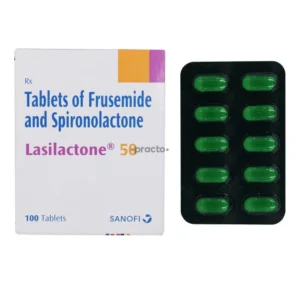
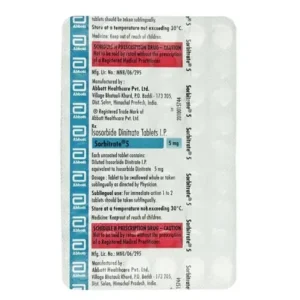
About Heart & Blood Pressure
Our heart and blood pressure range brings together medicines that doctors use to manage high blood pressure (hypertension) and related heart conditions. You'll find tablets from several common drug classes, along with diuretics, grouped so you can find the medicine your doctor has asked you to take.
This category is for adults who already have a treatment plan from their doctor, and for family members ordering on their behalf. High blood pressure often causes no symptoms until it has lasted for years or has become dangerously high. This is why regular check-ups matter.
Types of heart and blood pressure medicines
Blood pressure medicines fall into a few main classes, and each works in a different way. Common classes include ACE inhibitors, ARBs, beta-blockers, calcium channel blockers, central agonists and diuretics. Your doctor picks one or more based on your health.
| Drug class | What you should know |
|---|---|
| ACE inhibitors | Lisinopril is one example. Alcohol can strengthen its pressure-lowering effect. |
| ARBs | Olmesartan is an ARB. It relaxes blood vessels so the heart has less work to do. |
| Beta-blockers | Also used for heart conditions such as abnormal heart rhythms, angina and heart failure. |
| Calcium channel blockers | One of the common blood pressure drug classes. |
| Central agonists | One of the common blood pressure drug classes. |
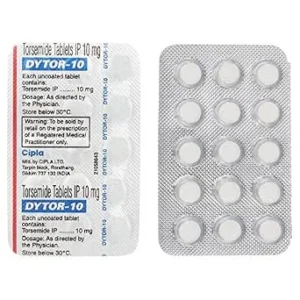
| Diuretics | Some diuretics can drain potassium from the body. Spironolactone is a potassium-sparing diuretic. |
You can browse by type in our sub-categories:
- Blood Pressure — tablets from the main blood pressure drug classes.
- Diuretics — medicines that act on fluid balance in the body.
Popular products in Heart & Blood Pressure
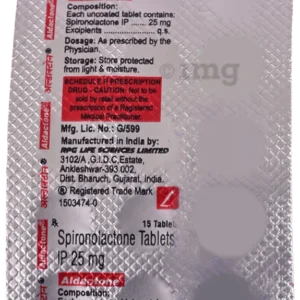
- Aldactone 25 — a prescription-only tablet containing spironolactone 25 mg, a potassium-sparing diuretic and aldosterone antagonist.
How to choose the right heart and blood pressure medicine
The right choice is the exact medicine, strength and form your doctor has prescribed. These points can help you order correctly:
- Match the name and strength. Check your prescription against the product page before ordering. Aldactone 25, for example, contains 25 mg of spironolactone and needs a prescription.
- Know your drug class. If you take more than one medicine, it helps to know which class each belongs to, such as an ARB, a beta-blocker or a diuretic. This matters when you buy other medicines, especially painkillers.
- Pregnancy needs specific choices. A review of ACOG guidance names labetalol and nifedipine as the preferred drugs for pregnant patients who need blood pressure treatment. If you are pregnant or planning a pregnancy, ask your doctor whether your current medicine is suitable.
- Children need their care team's advice. Olmesartan may be used in some children for selected conditions, but precautions apply and the care team should guide the decision.
Using heart and blood pressure medicines safely
Safe use starts with knowing the common side effects and the combinations to avoid.
Side effects to watch for
- Beta-blockers can cause a slow heart rate, cold hands and feet, tiredness and vivid dreams.
- Some diuretics can lower potassium. Low potassium may weaken muscles and strain the heart if left unaddressed.
- Lisinopril taken with alcohol may leave you dizzy or faint, because alcohol can amplify its pressure-lowering effect.
Painkillers and interactions
For pain relief, paracetamol is generally regarded as the safer choice for someone taking blood pressure tablets. Taking anti-inflammatory painkillers together with ACE inhibitors or ARBs and diuretics is called a "triple whammy" and can damage the kidneys. Tell your doctor or pharmacist about every medicine you take, including ones bought without a prescription.
Storage
Heat, cold, moisture and sunlight can all weaken a medicine and make it less effective. A few simple habits help:
- Avoid the bathroom cabinet. Heat and moisture from showers and baths can damage medicines kept there.
- Keep tablets in their blister packs until you need them. Once popped out, they face more humidity.
- Keep the carton and leaflet so you have the product details at hand.
When to see a doctor
See your doctor before starting, stopping or changing any heart and blood pressure medicine. Since hypertension often causes no symptoms until it has lasted for years or become dangerously high, feeling well is not a reason to skip your follow-ups.
Speak to your doctor promptly if:
- you feel dizzy or faint, particularly after drinking alcohol while on lisinopril;
- you notice muscle weakness while taking a diuretic, as this can be linked to low potassium;
- you have a slow heart rate, unusual tiredness or other side effects on a beta-blocker;
- you are pregnant or planning a pregnancy;
- you need a painkiller and already take an ACE inhibitor or ARB with a diuretic;
- a child in your care has been advised to take a blood pressure medicine.
FAQs
Which painkiller can I take with blood pressure tablets?
Paracetamol is generally regarded as the safer choice for pain relief if you take blood pressure tablets. Anti-inflammatory painkillers combined with ACE inhibitors or ARBs and diuretics can damage the kidneys, so check with your doctor first.
Can I drink alcohol while taking lisinopril?
Alcohol can amplify the pressure-lowering effect of lisinopril, which may leave you dizzy or faint. Ask your doctor how alcohol fits with your treatment.
Is Aldactone 25 available without a prescription?
No. Aldactone 25 is a prescription-only tablet containing spironolactone 25 mg, so you'll need a valid prescription to order it.
Which blood pressure medicines are used in pregnancy?
A review of ACOG guidance names labetalol and nifedipine as the preferred drugs for pregnant patients who need blood pressure treatment. Your doctor will decide what suits you.
Does high blood pressure cause symptoms?
Often it does not. Hypertension can stay silent until it has lasted for years or has become dangerously high.
Where should I store my heart and blood pressure tablets?
Store them away from heat, cold, moisture and sunlight, and not in a bathroom cabinet. Keep tablets in their blister packs along with the carton and leaflet.
Sources
- Lisinopril and Ibuprofen: Moderate Drug Interaction Guide
- Managing Side Effects of Blood Pressure Medications
- Managing Chronic Hypertension in Pregnant Women: ACOG Releases Updated Practice Bulletin | AFP
- Temperature Tips For Safe and Effective Medication Storage
- Tips for Using High Blood Pressure Medication Correctly | Tensana
- Types of Blood Pressure Medications
- Beta blockers, how they work and potential side effects - BHF
- High Blood Pressure Medications: 10 Commonly Prescribed Medications
- Olmesartan Tablets
- Beta blockers: Uses and Side-Effects
- NSAIDs and blood pressure medicines | Healthify
- Storing your medicines: MedlinePlus Medical Encyclopedia
Prices shown are MRP. Prescription medicines are supplied only against a valid prescription. Product details are for reference and do not replace advice from your doctor or pharmacist. Not for emergencies — call 112.