Diuretics
Browse medicines and health products with composition, pack size, manufacturer and MRP for each one.
Showing all 4 results
About Diuretics
Diuretics, often called water pills, are medicines doctors prescribe for high blood pressure, heart failure and fluid swelling. They are sometimes also prescribed for certain kidney or liver disorders. This part of our Heart & Blood Pressure range brings these medicines together so you can find the one your doctor has recommended.
The range is for adults and families managing a heart, blood pressure or fluid-related condition under medical care. Children can use these medicines too, though they usually need smaller doses than adults. Your doctor decides the type and dose that suits you.
Types of diuretics and how they differ
Diuretics fall into three main groups: loop, thiazide and potassium-sparing. Each group acts on a different part of the kidney, which is why they behave differently.
| Type | Example | Key points |
|---|---|---|
| Loop | Furosemide | Described as the most potent of the three groups. Tends to lower potassium and can raise uric acid. |
| Thiazide | Often the first choice for high blood pressure. Can affect blood sugar and uric acid levels, and tends to lower potassium. | |
| Potassium-sparing | Spironolactone | Avoids the potassium loss seen with other classes. Too much potassium can become a concern. |
Some diuretics are sulfa drugs. If you have a sulfa allergy, tell your doctor, because you could react to them.
Popular products in Diuretics
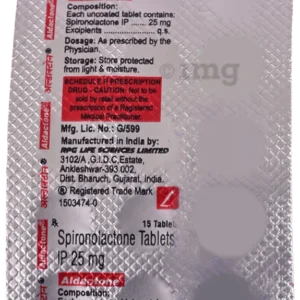
- Aldactone 25 – a prescription-only tablet containing spironolactone 25 mg, a potassium-sparing diuretic. Doctors prescribe diuretics for conditions such as fluid swelling.
How to choose the right diuretic
Your doctor chooses the diuretic, not the shopper. These are prescription medicines, and the right group depends on your condition and your other health needs. A few points can help you understand your prescription:
- For high blood pressure, thiazides are often the first choice.
- When a stronger effect is needed, loop drugs such as furosemide are described as the most potent group.
- If potassium loss is a worry, potassium-sparing drugs such as spironolactone avoid the potassium loss seen with other classes.
- If you have diabetes or gout, mention it. Thiazides can affect blood sugar, and thiazide and loop drugs can raise uric acid.
- If you are pregnant and have high blood pressure, a different medicine known to be safe is usually offered instead of a diuretic.
- Herbal options may help, but prescription water pills give more dependable results.
Always buy the exact medicine and strength on your prescription.
Using diuretics safely
Frequent urination is the most common side effect of diuretics. You may also notice lightheadedness, fatigue, bowel changes or muscle cramps.
Potassium levels. Thiazides and loop diuretics tend to lower potassium, so your doctor may advise potassium-rich foods and less salt. Potassium-sparing drugs work the other way. Too much potassium from these can lead to dangerous heart rhythm problems.
Salt substitutes. Many salt substitutes are high in potassium. If you take a potassium-sparing diuretic, avoid them.
Gout. Thiazide and loop drugs can raise uric acid, which may bring on gout, usually in the foot.
Medicine interactions. Tell your doctor about everything you take:
- Ibuprofen and naproxen can make the kidneys hold on to fluid, so avoid them unless your doctor approves.
- Lithium levels can rise when taken with thiazide or loop diuretics, so lithium levels need monitoring.
- Digoxin taken with thiazide or loop diuretics can cause weakness, cramps and irregular heartbeats when potassium is low.
Allergies. Some diuretics are sulfa drugs, so a sulfa allergy could lead to a reaction.
When to see a doctor
See your doctor before starting any diuretic, as these medicines are prescribed for conditions such as high blood pressure, heart failure and fluid swelling. Speak to them as well if:
- You notice an irregular heartbeat, weakness or cramps, especially if you also take digoxin.
- You develop pain and swelling that could be gout, usually in the foot.
- You feel lightheaded or unusually tired.
- You are pregnant or planning a pregnancy and have high blood pressure.
- You have a sulfa allergy, or take lithium, digoxin, ibuprofen or naproxen.
- The medicine is for a child, since children usually need smaller doses.
FAQs
What are diuretics used for?
Doctors prescribe diuretics for high blood pressure, heart failure and fluid swelling. They are sometimes also used for certain kidney or liver disorders.
What is the most common side effect of water pills?
Frequent urination is the most common side effect. Lightheadedness, fatigue, bowel changes and muscle cramps are also possible.
Which type of diuretic is the strongest?
Among the three groups, loop drugs such as furosemide are described as the most potent. Your doctor will decide whether you need one.
Do diuretics lower potassium?
Thiazides and loop diuretics tend to lower potassium, so your doctor may suggest potassium-rich foods and less salt. Potassium-sparing drugs such as spironolactone avoid this loss, though too much potassium can cause heart rhythm problems.
Can I use a salt substitute while taking spironolactone?
Many salt substitutes are high in potassium. People taking potassium-sparing diuretics such as spironolactone should avoid them.
Are herbal diuretics as effective as prescription ones?
Herbal options may help, but prescription water pills give more dependable results. Talk to your doctor before trying any alternative.
Sources
- Diuretics | The Texas Heart Institute®
- Diuretics - Drug cabinet - Heart Matters magazine - BHF
- Diuretics | Health and Medicine | Research Starters | EBSCOhost
- Tips for taking diuretic medications - Harvard Health
- Types of Diuretics Medications: Uses, Side Effects, Interactions, List of Drugs
- Diuretics for High Blood Pressure: How They Help
- Diuretics
- Diuretics (Water Pills): Types, Uses & Side Effects
Prices shown are MRP. Prescription medicines are supplied only against a valid prescription. Product details are for reference and do not replace advice from your doctor or pharmacist. Not for emergencies — call 112.