Swelling & Inflammation
Browse medicines and health products with composition, pack size, manufacturer and MRP for each one.
Showing all 5 results
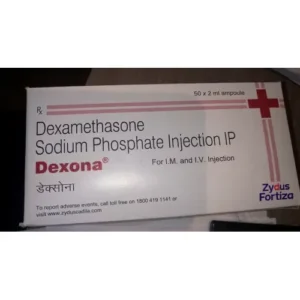
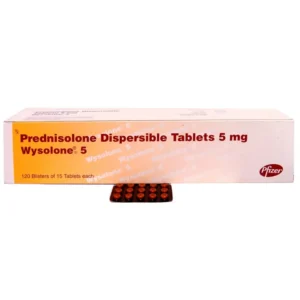
About Swelling and Inflammation
Our swelling and inflammation range brings together medicines used when pain comes with puffiness, tenderness or stiffness, such as after a sprain, a soft tissue injury or an operation. You'll find prescription tablets that doctors use for these problems, listed here in our Pain & Fever section.
This range is for you if a doctor has prescribed a medicine for painful swelling, or if you want to understand how these medicines differ before you speak to one. Several products here need a valid prescription. The notes below cover how each type works and the safety points worth knowing.
Types of medicines for swelling and inflammation
The products in this category work in a few different ways. Here is how the main types compare:
| Type | What it contains | How it is used |
|---|---|---|
| NSAID tablets | Medicines such as ibuprofen | NSAIDs block the body's making of a chemical that drives pain, fever and inflammation. Ibuprofen sold without a prescription is used for fever and minor aches such as headaches, muscle aches and toothache. |
| NSAID gel | 1% diclofenac gel | The non-prescription gel is labelled for arthritis pain in several joints, including knees, ankles, hands and elbows. |
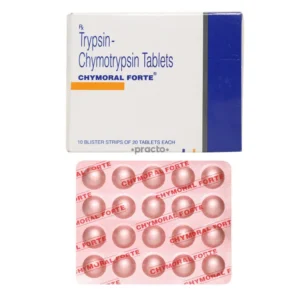
| Enzyme tablets | Trypsin and chymotrypsin | Prescription tablets that combine two enzymes to reduce painful swelling and inflammation. |
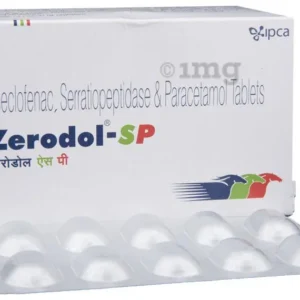
| Combination tablets | Aceclofenac, paracetamol and serratiopeptidase | Prescription tablets used for muscle, joint and postoperative pain. |
Tablets act on the whole body, while a gel is applied to the painful joint. Your doctor will decide which type suits your problem.
Popular products in Swelling and Inflammation
These are the products currently listed in this category:
- Chymoral Forte Tablet – a prescription medicine combining the enzymes trypsin and chymotrypsin, prescribed after soft tissue injuries and sprains.
- Zerodol-SP Tablet – a prescription tablet with aceclofenac 100 mg, paracetamol 325 mg and serratiopeptidase 15 mg, prescribed for muscle, joint and postoperative pain.
How to choose a medicine for swelling and inflammation
Start with the cause of the swelling and whether you need a prescription. Both tablets listed above are prescription medicines, so you will need your doctor's advice and a valid prescription to order them.
A few practical points to discuss with your doctor or pharmacist:
- Where the pain is. A 1% diclofenac gel is labelled for arthritis pain in joints such as the knees, ankles, hands and elbows. Tablets act more widely.
- Your health history. Older adults, smokers, heavy drinkers and people who take NSAIDs for long periods or in high amounts face a higher risk of serious NSAID harm.
- Pregnancy. Tell your doctor if you are pregnant, especially from around 20 weeks.
- Children. Ask before giving any pain medicine to a child, since too much ibuprofen in a child can cause stomach trouble, confusion and possible kidney problems.
Using NSAIDs safely
The most common side effects of NSAIDs are digestive complaints. Taking an NSAID after a full meal and limiting alcohol can reduce stomach irritation.
Some risks are more serious. NSAID tablets can cause ulcers, bleeding or holes in the stomach or intestine, and these can develop without any warning symptoms. Non-aspirin NSAIDs can also raise the risk of heart attack and stroke, and these events may occur without warning.
Pregnancy needs extra care. From around 20 weeks, NSAIDs can threaten an unborn baby's kidney function and lower the amniotic fluid around the baby. Pregnant women should not take NSAIDs at 20 weeks or later unless a health professional specifically advises it.
Follow the dose and duration your doctor gives you. Long-term or high-amount use adds to the risk of serious harm.
When to see a doctor
Stop the NSAID and contact a doctor straight away if you notice black tarry stools, blood in your stool, or vomit that looks like coffee grounds. These can be signs of bleeding in the gut.
See a doctor before taking an NSAID if you are 20 or more weeks pregnant. For a baby three months old or younger, a rectal temperature of 100.4°F or higher warrants an immediate call to a doctor or a trip to the emergency room.
FAQs
How do NSAIDs reduce swelling and inflammation?
NSAIDs block the body's making of a chemical that drives pain, fever and inflammation. This is how they ease these symptoms.
Do I need a prescription for Chymoral Forte or Zerodol-SP?
Yes. Both Chymoral Forte Tablet and Zerodol-SP Tablet are prescription medicines, so you will need a valid prescription from your doctor.
What are the common side effects of NSAIDs?
Digestive complaints are the most common. More serious problems include ulcers, bleeding or holes in the stomach or intestine, which can develop without warning.
Can I take NSAIDs during pregnancy?
Pregnant women should not take NSAIDs at 20 weeks or later unless a health professional specifically advises it. From around this stage, NSAIDs can affect the unborn baby's kidneys and lower the amniotic fluid.
How can I reduce stomach upset from an NSAID?
Taking the NSAID after a full meal and limiting alcohol can reduce stomach irritation. Speak to your doctor if stomach trouble continues.
Who is at higher risk of NSAID side effects?
Older adults, smokers, heavy drinkers, and people who use NSAIDs for long periods or in high amounts face a higher risk of serious harm. Tell your doctor if any of these apply to you.
Sources
- Ibuprofen: MedlinePlus Drug Information
- Diclofenac Topical (arthritis pain): MedlinePlus Drug Information
- Reducing Side Effects of NSAIDs Like Ibuprofen and Naproxen
- Naproxen: MedlinePlus Drug Information
- Nonsteroidal Anti-Inflammatory Drugs (NSAIDs): Drug Safety Communication - Avoid Use of NSAIDs in Pregnancy at 20 Weeks
- FDA recommends avoiding use of NSAIDs in pregnancy at 20 weeks or later because they can result in low amniotic fluid |
- Safe Ibuprofen Dosage for Kids | Nemours KidsHealth
Prices shown are MRP. Prescription medicines are supplied only against a valid prescription. Product details are for reference and do not replace advice from your doctor or pharmacist. Not for emergencies — call 112.