Iron & Blood Health
Browse medicines and health products with composition, pack size, manufacturer and MRP for each one.
Showing all 3 results
About Iron & Blood Health
Our iron and blood health range brings together iron supplements you can add to your everyday routine. Iron supplements come in several forms, including tablets, slow-release tablets and liquids. Some are sold over the counter and others need a prescription.
This category is for anyone who has been advised to take iron, or who is comparing options before speaking to their doctor. Below the product grid you'll find how the main forms differ, what can affect how well iron is absorbed, and how to store and use these products safely at home.
Types of iron and blood health supplements
Iron supplements mainly differ in their format and in the iron compound they use. Here is a quick overview:
| Type | What to know |
|---|---|
| Iron tablets | Swallow them whole. Do not chew, crush or break them. |
| Slow-release tablets | Another tablet form of iron. Follow the same swallowing advice as regular tablets. |
| Liquid iron (syrups) | A liquid option for people who prefer not to take tablets. |
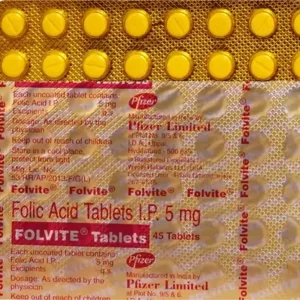
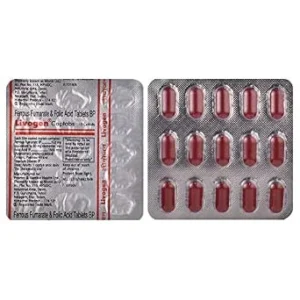
| Iron combined with other nutrients | Some products pair iron with folic acid and other ingredients in one formula. |
Iron compounds. Labels often list ferrous fumarate or ferrous sulfate. In one small study of women, iron absorbed from ferrous fumarate and ferrous sulfate did not differ significantly within each group. Your doctor or pharmacist can tell you which compound suits you.
Popular products in Iron & Blood Health
- Dexorange Syrup: an iron supplement in liquid form. It pairs iron with folic acid, is made by Franco-Indian Pharmaceuticals Pvt Ltd and comes in a 200 ml bottle.
How to choose an iron supplement
Start with what your doctor has recommended. Then match the product to how you will actually take it. These points can help:
- Pick a format you'll stick with. Tablets, slow-release tablets and liquids are all available. A syrup may suit you if swallowing tablets is difficult, because tablets should not be chewed, crushed or broken.
- Check the iron compound. Ferrous fumarate and ferrous sulfate are common. One small study found no significant difference in absorption between them within each group.
- Check whether you need a prescription. Iron supplements are sold both over the counter and on prescription, depending on the product.
- Think about your other medicines. Some antibiotics, such as tetracycline and penicillin, and some other medicines can work less well when taken near iron. Medicines that reduce stomach acid can also affect iron absorption.
- Plan for absorption. Taking iron with vitamin C or orange juice may help your body absorb it.
- Consider who else is at home. If you have young children, choose a product you can store well out of their reach.
Using iron supplements safely
Take care with timing, storage and children when using iron supplements, and follow the label and your doctor's advice.
Changes in stool colour. Greenish or greyish-black stools are expected when you take iron tablets. Tarry stools or visible streaks of blood are different and need a prompt call to your doctor.
Medicine interactions. Some antibiotics, including tetracycline and penicillin, and some other medicines can work less well when taken near iron. A gap of at least two hours between them is advised. Medicines that reduce stomach acid can impair iron absorption and may contribute to iron deficiency, so tell your doctor if you take them.
Taking tablets. Swallow iron tablets whole. Do not chew, crush or break them.
Storage. Keep iron tablets in a cool place. Bathroom cabinets can be warm and humid enough to make tablets crumble, so a cupboard in a cooler room is a better choice.
Children and iron. Iron overdose is particularly dangerous for children. A severe overdose can happen when a child eats adult or prenatal multivitamins. Prenatal multivitamins contain the highest iron content of any multivitamin product. Keep every iron supplement out of children's reach.
When to see a doctor
Call your doctor promptly if you notice tarry stools or visible streaks of blood in your stools while taking iron. Speak to your doctor before starting iron if you take antibiotics, medicines that reduce stomach acid or other regular medicines.
If a child swallows an iron tablet, contact a poison control centre right away. Do not wait to see whether symptoms appear.
FAQs
Is it normal for stools to turn dark on iron tablets?
Yes. Greenish or greyish-black stools are expected with iron tablets. Tarry stools or visible streaks of blood are not, and you should call your doctor promptly if you see them.
What helps the body absorb iron?
Taking iron with vitamin C or orange juice may help your body absorb it. Medicines that reduce stomach acid can impair absorption.
Can I take iron with antibiotics?
Some antibiotics, such as tetracycline and penicillin, can work less well when taken near iron. A gap of at least two hours is advised. Check with your doctor or pharmacist about your specific medicines.
Is ferrous fumarate better than ferrous sulfate?
In one small study of women, iron absorbed from ferrous fumarate and ferrous sulfate did not differ significantly within each group. Your doctor can advise which one suits you.
Do I need a prescription for iron supplements?
Not always. Iron supplements are sold both over the counter and on prescription, in tablet, slow-release and liquid forms.
How should I store iron tablets at home?
Keep them in a cool place and out of the reach of children. Avoid bathroom cabinets, which can be warm and humid enough to make tablets crumble.
Sources
- A comparison of the bioavailability of ferrous fumarate and ferrous sulfate in non-anemic Mexican women and children
- Iron Supplement Side Effects | Iron Deficiency Anemia Treatment
- Taking iron supplements: MedlinePlus Medical Encyclopedia
- Iron overdose: MedlinePlus Medical Encyclopedia
- Iron poisoning: A simple but serious mistake | Poison Control
- webmd.com
Prices shown are MRP. Prescription medicines are supplied only against a valid prescription. Product details are for reference and do not replace advice from your doctor or pharmacist. Not for emergencies — call 112.